



Speakers

Sergi Loughney Castells
Sergi Loughney Castells is the Deputy CEO and Corporate Affairs Director of the “la Caixa” Foundation, one of the world’s leading philanthropic organizations. In his role, he oversees the Foundation’s areas of communication, marketing, and institutional relations, while coordinating the institutional activity of flagship cultural and social initiatives including CaixaForum, CosmoCaixa, Cap Roig, and Palau Macaya. He is responsible for strengthening stakeholder engagement, enhancing institutional visibility, and supporting the Foundation’s strategic positioning.
With a distinguished career spanning more than three decades, Loughney has held senior leadership positions in both the public and private sectors. Prior to joining the Foundation, he served as Director of Corporate Reputation and Communications at the Abertis Foundation, Director of Communications and Corporate Relations at Grupo Peralada, and held several senior protocol and international relations roles within the Government of Catalonia.
Beyond his executive responsibilities, Loughney is actively involved in the governance of numerous social, health, and international development organizations, including ISGlobal, the Spanish Red Cross, the Barcelona Macula Foundation, and the Hospital Clínic Barcelona. He also played a key role in the creation of the UNESCO–Abertis Foundation Centre for Mediterranean Ecosystem Biosphere Reserves.
A former international rugby player, he captained both the Spanish National Rugby Team and FC Barcelona Rugby, earning 56 international caps. Throughout his career he has received numerous national and international distinctions, reflecting his contributions to public service, international relations, social commitment, and institutional leadership.

Marc Palahí
Marc Palahí is a Spanish forest scientist and international expert in bioeconomy, forests, and climate change. He is currently the CEO of the Circular Bioeconomy Alliance and Chief Nature Officer at Lombard Odier Investment Managers, where he works on integrating nature-based solutions into economic and financial systems.
He previously served as Director of the European Forest Institute (EFI) from 2015 to 2023, leading its transformation into a major pan-European science–policy platform connecting research, policy, and business.
Palahí holds a PhD in forestry and economics from the University of Joensuu (Finland) and has built a career at the interface of science, policy, and innovation, focusing on sustainable forest management and the development of a circular bioeconomy as a response to climate change.
He began his professional career in research roles, including at the Forest Science and Technology Centre of Catalonia (CTFC), and has since become a leading global voice advocating the transition from a fossil-based, extractive economy to a regenerative, nature-based economic model.

Antoni Trasobares
Antoni Trasobares Rodríguez is a Catalan forestry expert and research leader specializing in forest management, bioeconomy, and wildfire resilience. He is the director (CEO) of the Forest Science and Technology Centre of Catalonia (CTFC), where since 2016 he has driven the organisation’s growth as a leading European hub for research, innovation, and technology transfer in the forest sector.
He also serves as Director of Wildfire Resilience at the Circular Bioeconomy Alliance (CBA) and coordinates major international initiatives such as the FIRE-RES Programme, focused on reducing the risk of extreme wildfires through integrated landscape management approaches.
Trasobares holds a PhD in forest planning and economics from the University of Joensuu (Finland) and has built a career spanning research, policy, and consultancy, including roles as Director General of Natural Resources and Biodiversity in the Catalan Government and researcher at ETH Zurich.
His work focuses on climate change adaptation, sustainable forest management, and advancing a circular forest-based bioeconomy, contributing both scientifically and strategically to improving landscape resilience and wildfire prevention at European and global levels.
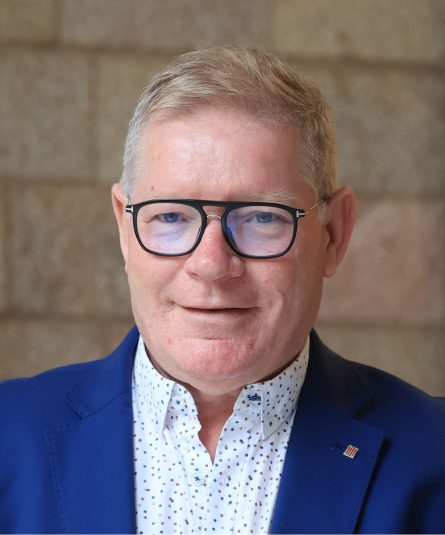
Juli Fernández Iruela
Proprietary member of the ICF’s Supervisory Board since September 2024. Secretary General of the Ministry of Economy and Finance of the Government of Catalonia since August 2024.
He holds a degree in Business Science from the University of Barcelona and a degree in Law, Business Administration and Economics from Abad Oliva University, and is a senior technician in occupational health and safety and an auditor. Professionally, he has worked as a specialist in taxation and business economics, as managing partner of the firm Serconfis Assessoria d’Empreses and as a financial consultant and adviser.
His institutional career has always guided by a commitment to public service, and in 1992 he joined Palafrugell Town Council as a councillor. He was mayor during the 2011-2015, 2015-2017 and 2023-2024 terms. Likewise, from 2012 to 2015 he was a member of the Parliament of Catalonia and, previously, from 2008 to 2011 a member of Congress where he was deputy spokesman for the Economy of the Socialist Group.

Marc Castellnou
Marc Castellnou is a Spanish forest engineer and internationally recognised expert in wildfire ecology, strategic fire analysis, and landscape resilience. He serves as Strategic Fire Analyst and Head of the GRAF Units (Forest Action Support Groups) of the Catalan Fire and Rescue Service, where he has played a leading role in the development of innovative approaches to understanding and managing extreme wildfires.
Castellnou holds degrees in Forest Engineering and a Master’s in Forest Fire Management and Ecology from the University of Lleida, where he is also an Associate Professor teaching wildfire analysis, prescribed burning, and wildfire management.
Throughout his career, he has combined operational experience, research, and international cooperation, contributing to European research projects, developing wildfire analysis and simulation tools, and advising governments and international organisations on wildfire risk and resilience. He is also a founder and former chairman of the Pau Costa Foundation, an internationally recognised organisation dedicated to fire ecology and integrated fire management.
His work focuses on understanding the interaction between fire, landscapes, and society under climate change, promoting the transition from fire suppression strategies toward resilient landscapes capable of living with fire. Widely regarded as one of the world’s leading wildfire experts, he has contributed to major wildfire investigations and advisory missions across Europe, the Americas, and beyond.

Adrian Tistan
Adrian Tistan is a policy expert on forests, biodiversity, and wildfire resilience within the Directorate-General for Environment (DG ENV) of the European Commission, where he works on issues related to sustainable forest management, forest protection, and the implementation of EU environmental and climate policies. He has been actively involved in developing European approaches to addressing increasing forest risks associated with climate change, including wildfires, droughts, and forest degradation.
Within the European Commission, Tistan contributes to initiatives that promote resilient forest ecosystems, biodiversity conservation, and nature restoration, helping to translate scientific knowledge into policy and practical action across EU Member States. His work supports the implementation of key policy frameworks such as the EU Forest Strategy, the Nature Restoration Regulation, and measures related to wildfire prevention and ecosystem restoration.
Tistan has been a strong advocate for the use of prescribed burning and integrated landscape management as tools to reduce wildfire risk while enhancing biodiversity and ecosystem health. He has also contributed to European assessments and reports on forest fires and forest resilience, supporting evidence-based policymaking at the European level.
His work focuses on strengthening the resilience of Europe’s forests by promoting approaches that integrate biodiversity conservation, climate adaptation, sustainable land management, and wildfire risk reduction, helping to build healthier and more resilient landscapes across the continent.
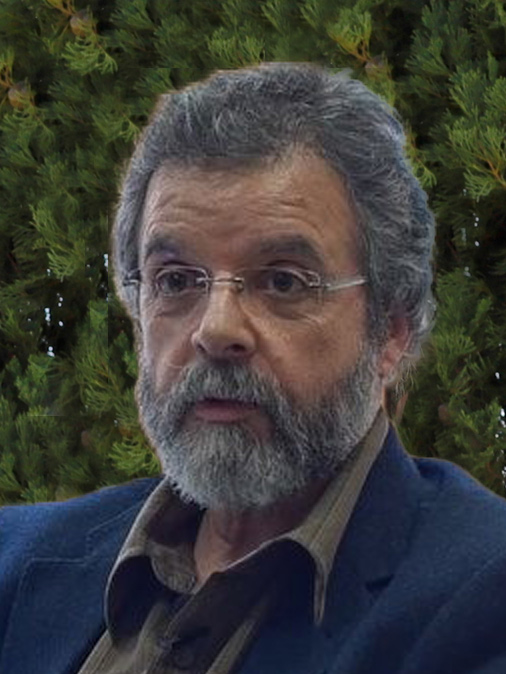
José Borges
José Borges: Ph.D. in Forest Sciences (U. Minnesota, USA), associate professor at the School of Agriculture (ISA), ULisboa. Coordinator of IUFRO Unit 4.04.04 Landscape Management Planning for Multiple Ecosystem Services and of the Erasmus Mundus Joint Master Degree Mediterranean Forestry and Natural Resources Management (MEDFOR). Has 25+ years of higher education, research and outreach experience in forest and natural resources management planning methods and decision support systems in ISA and in international universities. Coordinator of the Adaptive Territorial Management work package of the H2020 project FIRE RES and co author of the Integrated Wildfire Risk Management Strategy for the EU: developing resilient landscapes and safer communities. Co-authored over 120 international peer-reviewed publications.

Mar Viana
Mar Viana Rodríguez is a Spanish environmental scientist and internationally recognised expert in air quality, atmospheric aerosols, and the impacts of wildfire smoke on human exposure. She is Research Professor at the Spanish Research Council (CSIC) and is currently Deputy General Director at the Spanish Ministry for Ecological Transition and Demographic Challenge, where she leads the Pollution Prevention Unit. Viana holds an MSc in Environmental Sciences from the Autonomous University of Madrid and a PhD in Environmental Geochemistry from the University of Barcelona. Throughout her career, her research has focused on understanding the sources, behaviour, and exposure impacts of airborne pollutants, including those associated with wildfires and prescribed burning. She has published more than 180 peer-reviewed scientific articles and has served in several international scientific leadership roles, including Co-Chair of the Scientific Advisory Panel for the United Nations Environment Programme’s Global Environment Outlook (GEO-7).

María González
María González Sanchis is a forest ecohydrologist and environmental engineer specializing in the interactions between forests, water, climate change, and wildfire resilience. She currently serves as Programme Manager for Multifunctional Forest Management at the Forest Science and Technology Centre of Catalonia (CTFC), where she leads research and innovation activities focused on forests and water.
She holds a PhD in Environmental Hydraulic Engineering and has more than 15 years of experience in applied research on forest hydrology, ecohydrology, river dynamics, and adaptive forest management. Her work combines field research, modelling, and practical applications to support the integrated management of forest and water resources under changing climatic conditions.
Throughout her career, González Sanchis has coordinated and participated in numerous international research projects addressing drought resilience, ecosystem services, forest-water interactions, and wildfire prevention. She has also developed extensive teaching experience in forest ecology, hydrology, soils, and wildfire-related topics, while promoting knowledge transfer between science and practice.
Her work focuses on advancing multifunctional and adaptive forest management, helping to enhance water security, reduce wildfire risk, and strengthen the resilience of landscapes and ecosystems in the face of climate change. She is the author of numerous scientific publications and is recognised for her contributions to forest-water research and sustainable landscape management.
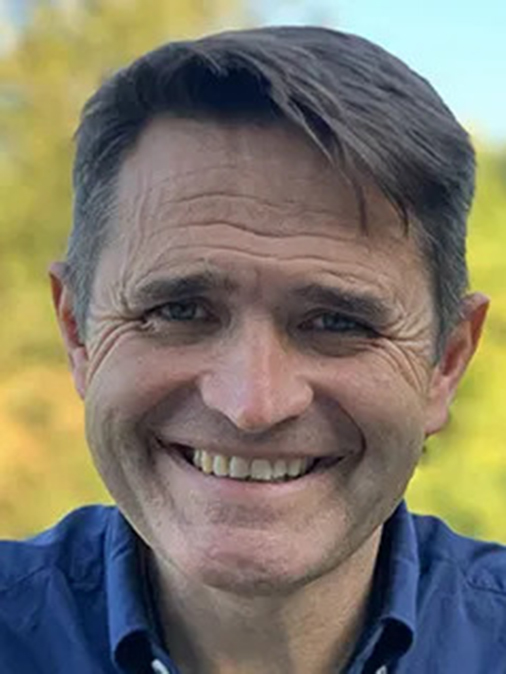
Justin Adams
Justin Adams is a sustainability and nature-finance leader with more than 30 years of experience working at the intersection of climate action, biodiversity conservation, and economic transformation. He is the founding Reimagining Nature Finance and Inclusive Capitalism Fellow of the Circular Bioeconomy Alliance (CBA) and co-founder of Ostara, a social enterprise dedicated to reimagining economic systems in service of people and nature.
Throughout his career, Adams has held senior leadership roles in the environmental, financial, and policy sectors, including positions with Generation Investment Management, The Nature Conservancy, the World Economic Forum, and Just Climate. His work has focused on mobilising investment for nature, advancing forest and climate solutions, and fostering collaboration across public and private sectors.
Adams also serves as an Honorary Research Fellow at the University of Oxford’s Leverhulme Centre for Nature Recovery and contributes to the development of innovative approaches that connect ecological restoration, community well-being, and long-term economic resilience.
Recognised with an OBE for his contributions to the UK Government’s forest and climate agenda at COP26, his work promotes transformative approaches to nature finance and supports the transition toward a regenerative, nature-positive economy.
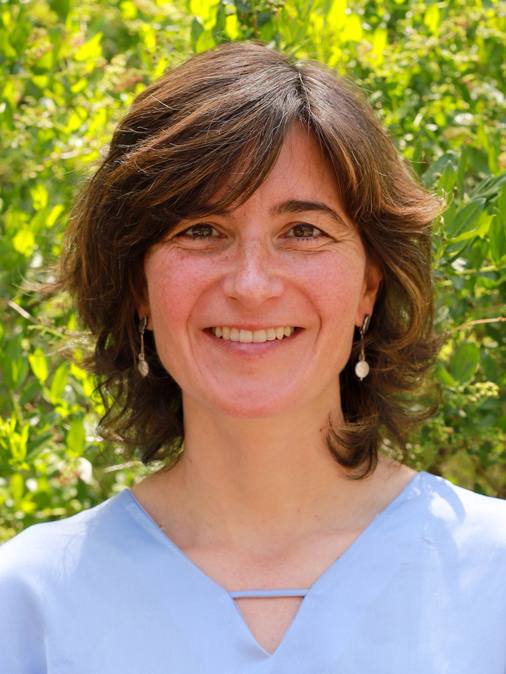
Elena Górriz
Elena Górriz-Mifsud is a Spanish researcher and expert in forest socioeconomics, bioeconomy, and rural governance. She leads the Socioeconomics and Governance of Rural Systems group at the Forest Science and Technology Centre of Catalonia (CTFC), where her work focuses on the social and economic dimensions of sustainable landscape management and forest-based development.
She holds a PhD from the Universities of Lleida and Padua (Italy), a Master’s degree in Economics from the University of Barcelona, and a degree in Forest Engineering from the Polytechnic University of Valencia. Her international background includes studies and professional experience in Germany, Argentina, Finland, Spain, and Italy.
Since joining the European Forest Institute’s Mediterranean Office (EFIMED) in 2008 and later CTFC, Górriz-Mifsud has developed extensive expertise in the design and evaluation of socio-economic instruments for rural development and the bioeconomy. Her research addresses topics such as ecosystem services, payments for environmental services, social innovation, forest governance, non-wood forest products, and economic incentives for wildfire risk reduction.
Her work promotes the integration of economic, social, and environmental perspectives in landscape management, helping to strengthen rural resilience and support the transition toward a sustainable forest-based bioeconomy. She has authored numerous scientific publications and is recognised internationally for her contributions to forest policy and governance research.

Francisco Espejo
Francisco S. Espejo Gil is a Spanish expert in climate risk, natural hazards, and disaster risk management. He currently serves as Deputy Director for Studies and International Relations at the Consorcio de Compensación de Seguros (CCS), Spain’s public insurance compensation institution, where he contributes to strategic planning, international cooperation, and the assessment of climate- and disaster-related risks.
Espejo holds a degree in Geography, a Master’s in Advanced Studies in Physical Geography, and a Master’s in Insurance Management. He began his professional career at the Spanish State Meteorological Agency (AEMET), where he worked in weather forecasting, climatology, mountain meteorology, and snow science before moving into international relations and climate-related risk management.
Since joining the CCS, he has played a key role in strengthening collaboration between the insurance sector, public administrations, scientific institutions, and international organisations. His work focuses on understanding and managing the impacts of natural hazards, climate change adaptation, and disaster resilience. He represents Spain and the CCS in a range of international forums, including those linked to the OECD, the European Commission, and the global insurance community.
By bridging science, public policy, and insurance mechanisms, Espejo contributes to the development of innovative approaches for climate risk reduction and the enhancement of societal resilience to natural disasters.

Tessa Maurer
Tessa Maurer, Ph.D. is an American scientist and conservation finance expert specializing in nature-based solutions, watershed resilience, and the integration of science into landscape restoration. She serves as Principal Consultant for Science and Conservation Strategy at Blue Forest, where she supports the design and implementation of innovative conservation finance mechanisms that enhance ecosystem resilience and community well-being.
Maurer holds a PhD in Hydrology and Water Resources Science from the University of California, Berkeley, where her research focused on streamflow forecasting, hydrological modelling, and water resource management in climate-sensitive environments. Her academic background combines engineering, hydrology, and environmental science, providing a strong foundation for linking scientific research with practical conservation action.
At Blue Forest, she has led efforts to quantify the multiple benefits of forest restoration and wildfire risk reduction, helping to develop science-based approaches that support large-scale investments in resilient landscapes. Her work focuses particularly on fire-prone regions, where healthy forests can provide benefits for water security, climate adaptation, biodiversity, and community resilience.
Through research, partnership building, and science communication, Maurer works at the intersection of ecology, water resources, and finance, advancing innovative strategies that connect ecosystem restoration with long-term environmental and societal resilience. She has authored numerous scientific publications on hydrology, drought, ecosystem services, and nature-based solutions.

Ferran Bonet
Ferran Bonet is a Spanish insurance and risk management specialist with extensive expertise in forest risks, wildfire insurance, and natural hazard protection. He works with PIB Group Iberia, where he advises forest owners, cooperatives, and public institutions on insurance solutions designed to enhance the resilience of forest landscapes and support sustainable forest management.
Throughout his career, Bonet has been closely involved in the development and promotion of innovative insurance mechanisms for the forestry sector. He has contributed to the consolidation of the pioneering forest fire insurance scheme in Catalonia, a model developed through collaboration between forest owners, public administrations, and the insurance sector to protect forest assets against wildfire and other natural hazards such as windstorms and snowfall.
As a specialist in forest risks, Bonet focuses on the role of insurance as a tool for risk management, recovery, and adaptation in landscapes increasingly affected by climate change. His work helps forest owners and land managers improve their capacity to manage uncertainty, recover after disturbances, and maintain the economic and ecological value of forest ecosystems.
Through his involvement in the forestry and insurance sectors, Bonet promotes approaches that integrate risk assessment, prevention, and financial protection, contributing to more resilient forest landscapes and more effective responses to the growing challenges associated with extreme wildfires and other natural hazards.
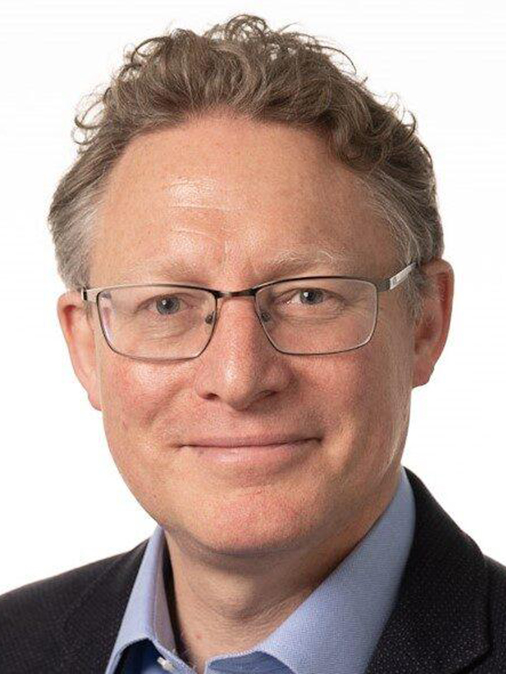
Rowan Douglas
Rowan Douglas CBE is a British leader in climate risk, resilience, and insurance innovation, recognized internationally for pioneering the integration of science, finance, and public policy to address climate-related risks. He is currently CEO for Climate Risk and Resilience at Howden, where he leads efforts to strengthen the role of insurance and risk management in supporting climate adaptation and sustainable development.
With more than 30 years of experience in the insurance and reinsurance sector, Douglas has held senior leadership positions at Willis Towers Watson, where he founded the Willis Research Network, one of the world’s largest collaborations between the financial sector and academic science, and later led the company’s Climate and Resilience Hub.
Douglas played a key role in establishing the Insurance Development Forum (IDF), a partnership between the insurance industry, governments, and international organisations aimed at strengthening resilience to climate and disaster risks in vulnerable countries. He has also advised major global institutions including the United Nations, the World Bank, the World Economic Forum, and the UK Government on climate risk, resilience, and sustainable finance.
Awarded a Commander of the Order of the British Empire (CBE) for services to the economy through risk, insurance, and sustainable growth, his work focuses on mobilising science, insurance, and investment to build resilience in the face of climate change and other systemic risks.

Ignasi López
Ignasi López is a Spanish physicist and science policy expert with more than 25 years of experience in research funding, innovation management, and science-society engagement. He currently serves as Director of Science Engagement and Strategy at the “la Caixa” Foundation, where he leads initiatives that promote scientific excellence, innovation, and the societal impact of research.
López holds a degree in Physics from the Universitat Autònoma de Barcelona, a Master’s degree in Bioethics and Law from the University of Barcelona, and a postgraduate degree in Business Management from IESE Business School. Throughout his career, he has worked at the interface between science, innovation, philanthropy, and public engagement.
At the “la Caixa” Foundation, he has played a leading role in the design and management of major research and innovation programmes, including the CaixaResearch Health Research Call and the CaixaImpulse programme supporting the translation of scientific discoveries into societal and market applications. He has also contributed to the governance of several leading research and innovation institutions.
His work focuses on strengthening the contribution of science and innovation to society through strategic philanthropy, international collaboration, and responsible research practices. He has participated in numerous European initiatives on Responsible Research and Innovation (RRI) and Open Science, and has served as an advisor and evaluator for the European Commission on science-policy and innovation-related issues.

Ana González
Ana González Peláez is an international expert in climate risk finance, insurance, agricultural resilience, and sustainable food systems. She is a Senior Advisor at Risklayer GmbH, where she works at the intersection of climate risk analytics, insurance, agriculture, and environmental resilience, helping to develop innovative approaches that strengthen the resilience of communities, food systems, and natural landscapes.
She holds a PhD focused on food security and international agricultural trade law and has built a multidisciplinary career spanning academia, international policy, finance, and the private sector. Her experience includes leadership roles with the University of Cambridge Institute for Sustainability Leadership (CISL), Howden Group, and collaborations with international organizations, governments, and development institutions working on climate adaptation, disaster risk financing, and food security.
Throughout her career, González Peláez has pioneered initiatives linking insurance, financial markets, and climate resilience. She contributed to the establishment of the Insurance Development Forum (IDF), helped develop innovative risk-transfer mechanisms for agricultural communities, and co-led studies quantifying climate risks to agriculture and insurance systems across Europe. Her work also explores how risk capital markets can support climate adaptation, Loss and Damage frameworks, and resilient rural development.
Combining expertise in climate finance, agricultural systems, and international policy, her work focuses on mobilising investment and risk-sharing mechanisms that enable a transition toward more resilient, sustainable, and nature-positive economies. Before specialising in climate and resilience issues, she also worked as a journalist, editor, producer, and news presenter for Bloomberg.

David Meya
David Meya is a Catalan forestry engineer and public sector leader in sustainable forest management and environmental governance. He currently serves as Deputy Director General for Forests within the Directorate General of Forests and Environment Management of the Department of Agriculture, Livestock, Fisheries and Food of the Government of Catalonia, where he oversees the technical framework guiding forest policy and management across the region.
In his role, Meya is responsible for directing and supervising sustainable forest management to ensure a balance between the ecosystem services provided by forests, societal needs, and the applicable legal and regulatory framework. He also contributes to the stewardship of Catalonia’s public forest estate, including the management of forest lands and riparian ecosystems in coordination with environmental and water authorities.
Throughout his career, he has promoted the integration of forestry, biodiversity conservation, bioeconomy, and climate adaptation, supporting initiatives that enhance forest resilience and strengthen the contribution of forests to rural development. He has been involved in discussions and programmes addressing wildfire prevention, sustainable forest-based value chains, ecosystem restoration, and the management of natural resources under changing climatic conditions.
His work focuses on advancing resilient and multifunctional forest landscapes that deliver environmental, social, and economic benefits, while fostering collaboration among public administrations, land managers, researchers, and local communities.

Míriam Sangerman
Míriam Sangerman is a Catalan forestry engineer and public forest management specialist with extensive experience in sustainable forest management, forest resources, and the stewardship of public forest lands. She currently serves as Head of the Forests and Forest Resources Section within the Directorate General of Forests and Environment Management of the Department of Agriculture, Livestock, Fisheries and Food of the Government of Catalonia, where she oversees forest management activities in the Girona region.
A graduate in Forest Engineering from the University of Lleida, Sangerman has worked for the Government of Catalonia since 2001, contributing to the planning and implementation of sustainable forest management practices across diverse forest landscapes.
Her work focuses on the management of forest resources, public forest estates, biodiversity conservation, and the promotion of active forest management as a tool for wildfire prevention and landscape resilience. She is also involved in educational and outreach activities that help raise awareness of the role of forests in providing ecosystem services and supporting rural communities.
Through her work with the Directorate General of Forests and Environment Management, Sangerman contributes to the development of resilient and multifunctional forest landscapes that balance environmental conservation, sustainable resource use, and climate adaptation objectives.

Edgar Nebot
Edgar Nebot Hernández is a Catalan forestry engineer, agricultural technician, and wildfire management specialist with extensive operational experience in wildfire analysis, prevention, and suppression. He serves as Sub-Inspector of the Forest Action Support Group (GRAF) of the Catalan Fire and Rescue Service, one of Europe’s leading wildfire management units, and currently leads GRAF activities in the Girona region.
Throughout his career, Nebot has combined field operations with a strong focus on fire ecology, landscape management, and climate adaptation. His work centres on understanding wildfire behaviour and promoting integrated approaches that reduce wildfire risk through active land management, landscape planning, and the restoration of agroforestry mosaics.
As a spokesperson and expert on wildfire resilience, he has contributed to public discussions on the impacts of climate change on fire regimes and the need to shift from a strategy focused solely on suppression toward one that enables societies to coexist with fire as a natural component of Mediterranean ecosystems.
His work bridges emergency response, forest management, and community resilience, supporting the development of landscapes that are better adapted to wildfire under changing climatic conditions. Through his operational leadership and outreach activities, he contributes to advancing innovative wildfire prevention and resilience strategies in Catalonia and beyond.

Melcior Soler
Melcior Soler Sala is a Catalan forest owner and advocate for active forest management, currently serving as President of the Gavarres Forest Managers Association, which represents forest owners and managers across the Gavarres massif. In this role, he works to promote sustainable forest management, wildfire risk reduction, and the development of forest-based value chains that contribute to the resilience and economic viability of rural landscapes.
Through his leadership of the association, Soler has been actively involved in initiatives aimed at strengthening the management of the Gavarres, one of Catalonia’s largest forested areas. He advocates for restoring traditional agroforestry systems, supporting forest owners, and enhancing the role of forestry as a tool for climate adaptation and wildfire resilience.
Following major wildfire events in the region, he has promoted collaborative restoration and management strategies that combine forest recovery, biomass utilization, landscape diversification, and the restoration of agricultural and grazing areas. His work emphasizes the importance of active stewardship and long-term investment in landscapes to reduce vulnerability to extreme wildfires.
By representing forest owners and managers, Soler contributes to advancing practical, landscape-scale solutions that integrate sustainable forestry, rural development, biodiversity conservation, and climate resilience across the Gavarres territory.

Carles Domingo
Carles Domingo is a civil protection and public safety professional with extensive experience in emergency preparedness, risk prevention, and community resilience. As a representative of Girona Civil Protection, he contributes to strengthening preparedness and response capacities for a wide range of natural and human-induced hazards, working closely with public authorities, emergency services, and local communities. He is an Industrial Engineer MSc, completed and focused in internacional cooperation in several emergencies by the Spanish National School of Civil Protection.
Throughout his career, Domingo has combined operational and community-focused approaches to risk management, promoting prevention, public awareness, and citizen engagement as key components of resilience. His work emphasizes the importance of preparedness, coordination, and communication in reducing the impacts of emergencies on people and territories.
With a background that includes public service and community outreach, he has been involved in initiatives aimed at enhancing safety, supporting vulnerable populations, and fostering a culture of self-protection and risk awareness. His experience reflects a strong commitment to collaboration between institutions, emergency professionals, volunteers, and citizens.
His work focuses on building safer and more resilient communities through integrated emergency management, risk reduction, and public engagement, contributing to the development of effective civil protection strategies in Girona and across Catalonia.

Carles Arteaga
Carles Arteaga is a civil protection professional and emergency management practitioner who contributes to strengthening preparedness, prevention, and response capacities in the Girona region. As a representative of Girona Civil Protection, he works with public authorities, emergency services, and community stakeholders to enhance resilience to natural and human-induced hazards, including wildfires, floods, and other emergencies.
His work focuses on promoting risk awareness, emergency preparedness, and coordinated response mechanisms, supporting the development of effective civil protection strategies at the local and regional levels. Through collaboration with institutions, volunteers, and emergency professionals, he contributes to improving public safety and community resilience.
As part of Girona’s civil protection framework, Arteaga is engaged in initiatives that foster prevention, preparedness, citizen engagement, and the protection of people and assets in the face of increasingly complex risks associated with climate change and other emerging challenges.
His work reflects a commitment to building safer and more resilient communities through integrated emergency management, stakeholder cooperation, and proactive risk reduction.

Maria Pipió
Maria Pipió is a Catalan forest engineer and specialist in wildfire prevention, with extensive experience in supporting local governments and communities in reducing wildfire risk in the wildland–urban interface. She works as a Forest Engineer at the Diputació de Girona, where she has led and contributed to numerous initiatives aimed at improving forest management and protecting people, infrastructure, and natural ecosystems from wildfires.
Throughout her career, Pipió has focused on the implementation of wildfire prevention policies at the municipal level, particularly in areas where urban developments and settlements are located close to forested landscapes. Her work has included supporting municipalities in the application of forest fire prevention regulations, planning protection zones around settlements, and promoting risk reduction measures in wildfire-prone areas.
She has played an active role in knowledge transfer, training, and awareness-raising activities related to wildfire prevention and resilience, sharing the experience of the Girona region in managing risks associated with the wildland–urban interface. Her expertise combines technical forestry knowledge with practical experience in supporting local administrations and communities.
Her work contributes to the development of safer and more resilient landscapes by integrating sustainable forest management, wildfire prevention, and local governance, helping communities adapt to increasing wildfire risk under changing climatic conditions.

Quim Gubau
Quim Gubau is a Catalan biologist and forest management specialist who currently serves as Manager of the Consorci de les Gavarres, the entity responsible for promoting the conservation, sustainable management, and development of the Gavarres Natural Protected Area. In this role, he works closely with municipalities, forest owners, public administrations, and local stakeholders to advance landscape resilience and sustainable land stewardship.
Specialized in forest management and rural landscapes, Gubau has extensive experience addressing the challenges facing Mediterranean forest ecosystems, including wildfire risk, biodiversity conservation, and the adaptation of forested territories to climate change. His work focuses on integrating ecological, social, and economic perspectives to support the long-term sustainability of rural landscapes.
As manager of the Consortium, he has played a leading role in promoting collaborative approaches to wildfire prevention, active forest management, and landscape restoration across the Gavarres massif. He has also advocated for strengthening cooperation among landowners, local communities, and public institutions to improve the resilience of one of Catalonia’s largest forested areas.
His work contributes to the development of resilient Mediterranean landscapes by combining sustainable forest management, biodiversity conservation, rural development, and wildfire risk reduction, helping to ensure that the Gavarres continue to provide environmental, social, and economic benefits for future generations.

Joan Botey
Joan Botey Serra is a Catalan forest owner and a leading advocate for sustainable private forest management in Mediterranean landscapes. He is the owner and manager of Finca Fitor, a 1,000-hectare forest estate located within the Gavarres Natural Protected Area in Girona, where he has dedicated decades to active forest stewardship, cork oak management, and the conservation of natural and cultural heritage.
For more than fifty years, Botey has promoted a long-term vision of forest management based on sustainability, intergenerational responsibility, and the multifunctional value of forests. His work has focused particularly on the restoration and management of cork oak woodlands, combining forest production with biodiversity conservation, landscape resilience, and public engagement.
Through Finca Fitor, he has collaborated with universities, research centres, and forestry organisations, helping to showcase innovative approaches to responsible forest management in Mediterranean environments. The estate is recognised for its certified sustainable management, its environmental value, and its role as a demonstration site for forestry, conservation, and rural development.
His commitment to active forest stewardship has been widely recognised, including distinctions for his contribution to sustainable forest management and the preservation of the natural and cultural heritage of the Gavarres. Through his work, Botey continues to promote resilient forest landscapes that balance ecological, social, and economic values for future generations.

Valerie Charlton
Val Charlton has lived in Cape Town, South Africa for most of her life and loves the outdoors. She deems it a privilege to have been able to work with communities and conservation organisations for a large part of her career. Community based fire management is her area of specialty, working with people that live in fire-prone landscapes across the globe. Val promotes Integrated Fire Management practice to address landscape fire risks and hazards; this includes 20 + years of Wildland Urban Interface/Intermix facilitation in both urban and remote rural communities, collaborating with private landowners, government and conservation agencies in multi-stakeholder social ecology/economic projects in various countries. As a practitioner, her work has encompassed initiating and co-creating green, youth and female focused employment programmes and opportunities that are also of benefit to the wider community, thus improving the likelihood of sustained community-driven hazard reduction and resilience action. Elements of climate adaptation, disaster resilience and socio–environmental– economic projects, community-based natural resource management, food security, the use of nature–based solutions, early childhood development and a variety of capacity building courses are brought in to support Integrated Fire Management practices.
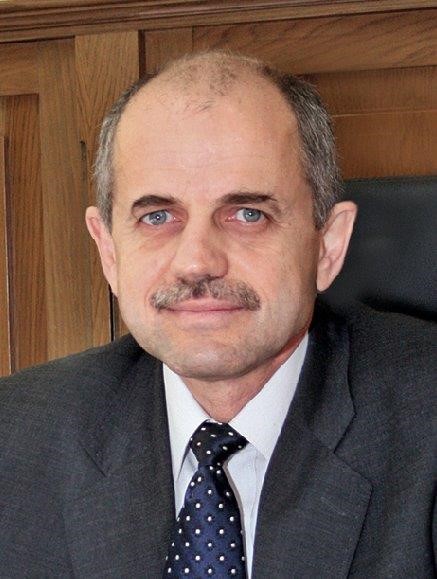
Georgi Kostov
Georgi Kostov is a Bulgarian forestry scientist, educator, and policy leader with extensive experience in sustainable forest management, forest policy, and landscape resilience. He is an Associate Professor of Silviculture at the University of Forestry in Sofia, where he has been teaching and conducting research since 1988.
Kostov holds a degree in Forestry Engineering and a PhD in Forest Ecology and Management, focusing on mountain forest ecosystems. Throughout his academic career, he has specialized in close-to-nature forestry, multifunctional forest management, adaptive forest management, and forest resource dynamics. He has also completed advanced training and research appointments at institutions including IIASA (Austria), ETH Zurich (Switzerland), Alterra (Netherlands), and Oregon State University (USA).
Alongside his academic work, Kostov has played a prominent role in public service, serving as Deputy Minister responsible for forests in Bulgaria’s Ministry of Agriculture and Food and as Chairman of the Agricultural Academy of Bulgaria. In these roles, he contributed to the development of forest policy, sustainable forest governance, and nature conservation initiatives.
His work bridges science, education, and policymaking, promoting resilient and multifunctional forests that balance ecological, social, and economic objectives. Through his research, teaching, and public leadership, he has made significant contributions to the advancement of sustainable forestry in Bulgaria and across Europe.

Adrián Cardil
Adrián Cardil Forradellas is a Spanish wildfire scientist, technologist, and internationally recognised expert in wildfire behaviour, risk modelling, and decision-support systems. He serves as Senior Researcher at Technosylva and is an Associate Professor at the University of Lleida, where he contributes to advancing the science and operational management of wildfires.
Cardil holds a PhD in Forest Engineering from the University of Lleida, awarded with honours, and has built an internationally distinguished career focused on understanding wildfire dynamics, assessing fire risk, and developing innovative modelling tools to support emergency management and landscape resilience.
At Technosylva, he has played a leading role in translating scientific knowledge into operational applications used by some of the world’s most advanced fire agencies and utilities. His work supports real-time wildfire analysis, fire spread modelling, and risk assessment, helping decision-makers prepare for and respond to increasingly complex wildfire events.
Recognised with the International Association of Wildland Fire Early Career Award and several other distinctions, Cardil has authored numerous high-impact scientific publications and contributed to international research and innovation projects across Europe and the Americas. His work focuses on advancing wildfire resilience through the integration of science, technology, and operational practice, supporting more resilient landscapes and communities in a changing climate.

Pere Roca
Pere Roca is a Spanish engineer and geospatial technology expert with extensive experience in Earth observation, satellite applications, cartography, and geospatial intelligence. He serves as Technical Director at Airbus Defence and Space Geo, where he leads the development and application of advanced Earth observation and geospatial solutions to support environmental monitoring, risk management, and decision-making.
With a background in Industrial Engineering from the Universitat Politècnica de Catalunya (UPC), complemented by postgraduate studies in management and innovation, Roca has built a career at the intersection of technology, spatial data, and operational services. His expertise covers satellite-based Earth observation, geographic information systems, cartography, photogrammetry, and the integration of geospatial intelligence into practical applications.
At Airbus, he has contributed to the development of innovative Earth observation services that support environmental management, climate adaptation, emergency response, and resilience planning. His work helps transform satellite and aerial data into actionable information for governments, emergency agencies, infrastructure operators, and land managers.
His current focus includes the application of Earth observation technologies to natural hazard assessment, wildfire management, and landscape resilience. Through the integration of satellite imagery, geospatial analytics, and digital decision-support tools, he contributes to improving situational awareness and supporting more informed responses to environmental challenges in a changing climate.
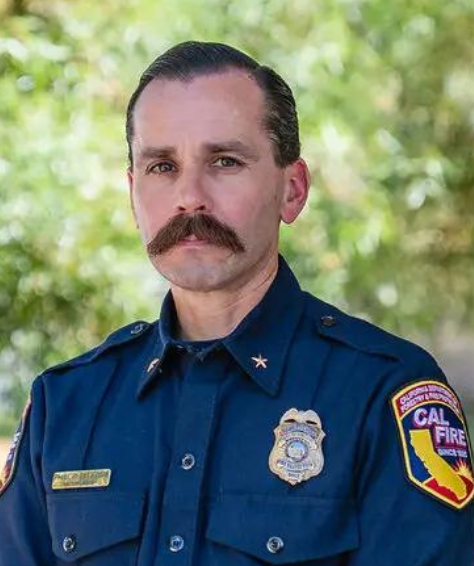
Phillip SeLegue
Phillip SeLegue is the Staff Chief for Fire Intelligence in CAL FIRE’s Fire Protection Operations, overseeing the statewide Intel Program, including the Sacramento Intel Program, Wildfire Forecast & Threat Intelligence Integration Center (WFTIIC), Remote Sensing program, and Predictive Services. With a CAL FIRE career dating back to 1999, he has held various roles, starting as a Fire Fighter I and promoting to Staff Chief position. Throughout his tenure, he contributed to the development of the CAL FIRE Intel Program and expanded the Sacramento Intel Program by implementing advanced wildfire forecasting and modeling tools. Chief SeLegue also played a crucial role in deploying CAL FIRE’s Common Operational Platform and other critical applications. As a member of CAL FIRE Incident Management Team 5 for over 15 years, he served as a Plans Section Chief and participated in multiple State, Federal, and International Groups, Cadres, and Committees.

Ross Westgate
Ross Westgate is a British entrepreneur, broadcaster, and advocate for nature-positive investment, with more than three decades of experience spanning financial markets, media, and business development. He is the Co-Founder of Gleann Mor Natural Capital, where he works to promote investment approaches that place nature, ecosystem restoration, and long-term environmental resilience at the centre of economic decision-making.
Before focusing on natural capital and sustainability, Westgate built an international profile as a financial journalist and television presenter. He spent nearly two decades with CNBC Europe, where he anchored major business news programmes including Worldwide Exchange, Power Lunch Europe, and Squawk Box Europe, reporting on global financial markets and international economic developments.
Following his media career, he founded Infinity Media, producing a range of television and media projects while continuing to engage with business and investment communities. His long-standing involvement with conservation initiatives, including his work with the European Nature Trust, inspired a transition toward supporting solutions that align financial systems with environmental stewardship and ecological restoration.
Today, Westgate works at the intersection of finance, communication, and sustainability, helping to advance innovative approaches to natural capital and landscape resilience. Through his work as a speaker, moderator, investor advocate, and entrepreneur, he promotes greater recognition of nature as a fundamental foundation of long-term economic prosperity and societal well-being.
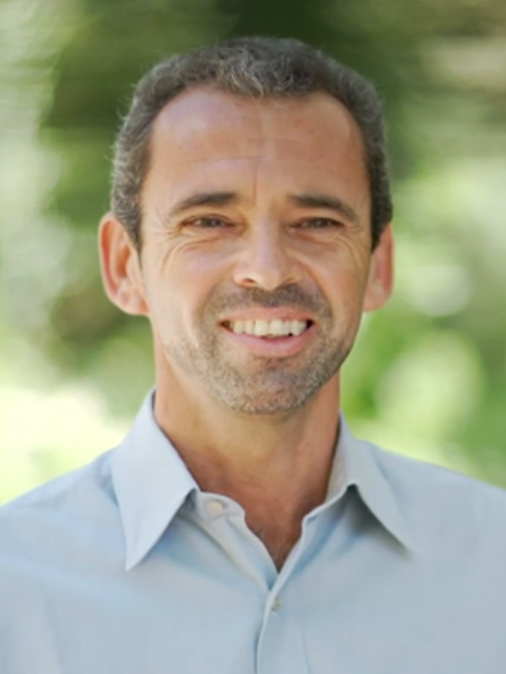
Eduard Plana
Eduard Plana is Head of the Forest Policy and Risk Governance Group at the Forest Science and Technology Centre of Catalonia (CTFC). A forest engineer with a Master’s in Wildfire Risk Management, he specializes in integrated wildfire risk governance, strategic forest planning, and environmental communication. Eduard has coordinated EU Horizon projects and international consultancies, and serves as Lead of the Environment/Ecology Working Group in the Firelogue initiative, promoting dialogue and resilience in wildfire-prone landscapes.

Nicolina Lamhauge
Nicolina Lamhauge is a policy analyst and international expert on climate change adaptation, resilience, and adaptation finance at the Organisation for Economic Co-operation and Development (OECD). Her work focuses on strengthening the evidence base for climate adaptation, improving adaptation governance, and supporting the development of policies and indicators that enhance resilience to climate risks.
Over the course of her career at the OECD, Lamhauge has contributed extensively to international efforts to advance adaptation planning, monitoring, evaluation, and reporting. Her research has informed guidance on how governments and organisations can assess the effectiveness of adaptation actions and integrate climate resilience into decision-making processes.
She has played a prominent role in global discussions under the UN Framework Convention on Climate Change (UNFCCC), including work related to adaptation indicators, capacity building, transparency frameworks, and the implementation of the Global Goal on Adaptation established under the Paris Agreement. Her analyses help bridge scientific knowledge and policy implementation, supporting countries in tracking progress towards climate resilience objectives.
Lamhauge’s work focuses on enhancing adaptive capacity, strengthening resilience, and reducing vulnerability to climate change impacts through evidence-based policymaking. Through her contributions to international research, policy dialogue, and climate governance processes, she supports efforts to build more resilient societies, economies, and ecosystems in the face of a changing climate.
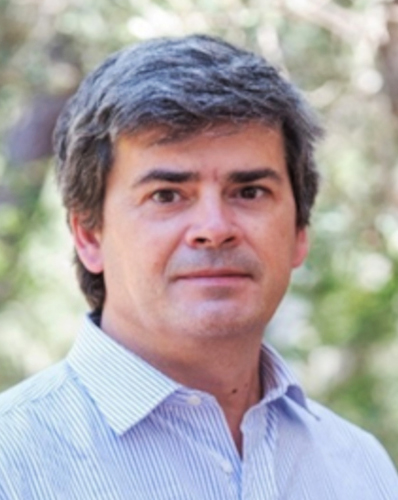
Tiago Oliveira
Tiago M. Oliveira (born 1969) is a PhD and Forest Engineer – His understanding of wildland fire problem is distilled from 30 years of experience in national and international context. Both in private and public sector and in all levels of fire operations (ground & aerial), integrated wildfire manager, researcher, public administration and policy in the topics of wildland fire risk management and governance.
Since July 2026 is Invited Associate Professor at Instituto Superior Técnico – University of Lisbon, leading the Research Chair IST – BPI / la Caixa Fundation “Forests and Wildland Fire Management” at the Center for Innovation, Technology and Policy Research, IN+ at (https://in3.dem.ist.utl.pt/).
Since 2023, is member of BoD of International Association of Wildland Fire (www.iawfonline.org) and since 2016, a member of the International Liasson Committee.
From 2018 to May 15th2026, he was Chairman of the BoD Agency for Integrated Rural Fire (www.agif.pt) and chaired the 8IWFC (wildfire2023.pt)

Ángela Iglesias
Ángela Iglesias Rodrigo is a Spanish forestry engineer and an expert in civil protection, wildfire management, and emergency response, currently working with the Ministry for the Ecological Transition and the Demographic Challenge (MITECO). She has nearly two decades of experience in wildfire prevention, preparedness, and response, combining operational, management, policy, and research perspectives.
Since joining Spain’s central administration in 2009, Iglesias has played an active role in national and international wildfire and civil protection initiatives. Her experience includes participation in emergency deployments, training exercises, and technical cooperation activities under the framework of the European Union Civil Protection Mechanism, as well as involvement in numerous technical forums and working groups related to disaster risk management and wildfire resilience.
Beyond her work in Spain, she has contributed to international cooperation programmes focused on environmental management, resilience, and wildfire governance. Through collaborations with the Fundación para la Internacionalización de las Administraciones Públicas (FIAP), she has supported knowledge exchange and institutional strengthening initiatives, including projects in Latin America addressing forest fire management and climate resilience.
Her work focuses on strengthening integrated wildfire risk management, fostering cooperation among institutions, and improving emergency preparedness and response capacities. By combining technical expertise, operational experience, and international collaboration, Iglesias contributes to advancing more resilient landscapes and societies in the face of growing wildfire and climate-related risks.

Cristina Massot Berna
Cristina Massot Berna has served as Secretary General of the Agriculture Department of the Generalitat of Catalonia since August 2024. She previously served as Deputy Director General for Food Industries and Food Quality from November 2021 to August 2024. In that role, she planned and coordinated initiatives across the food sector, encouraged collaboration among stakeholders in the agri-food chain, and worked to safeguard product quality. She also coordinated support for the processing and marketing of agri-food products and promoted local Catalan products.
From September 2017 to November 2021, she worked in Brussels as a Seconded National Expert and Policy Coordinator at the European Commission’s Directorate-General for Health and Food Safety (DG SANTE). She contributed to the development and implementation of the EU’s animal health legal framework, including rules governing the entry of animals and animal products into the EU and measures for disease prevention and control.
Earlier in her career, she was Head of the Animal Health Prevention Service at the Agriculture Department of the Generalitat of Catalonia from January 2014 to September 2017. She oversaw disease prevention and control programmes, managed a regional laboratory, and implemented biosecurity programmes on pig farms across Catalonia. From March 2012 to January 2014, she coordinated the Catalan Livestock Traceability System, updating its requirements and training veterinarians and farmers to use livestock management software. She also held several official veterinarian positions involving farm inspections, health-standard compliance, and meat quality supervision in regional slaughterhouses.
She holds a degree in Veterinary Medicine from the Autonomous University of Barcelona.
Others to be confirmed